
commercial realestate
-

What You Need to Know Before Signing a Commercial Lease Agreement
Let’s be real: a commercial lease agreement can look simple right up until the moment it starts behaving like a term paper with hidden traps. The rent gets all the attention, but the real story is usually buried in the fine print — operating expenses, renewal rights, tenant improvements, maintenance responsibilities, and the lovely little…
-

SBA Loans for Commercial Property: What Business Owners Should Know Before They Buy
Buying commercial property is one of those moves that sounds simple until the lender shows up with a stack of paperwork thicker than a Tampa summer thunderstorm. The good news? SBA loans for commercial property can make owner-occupied real estate far more attainable than most business owners expect. The catch is that there are rules,…
-

What Is a Sublease? A Simple Guide for Tenants, Landlords, and CRE Investors
Let’s be real: what is a sublease can sound like a boring legal question until you’re staring at unused commercial space and a lease that refuses to vanish. That’s where a sublease comes in. In simple terms, a sublease lets an existing tenant rent all or part of their space to another party for part…
-
What Is a Phase II Study in Commercial Real Estate?
Let’s be real: commercial real estate has enough surprises without adding mystery contamination to the mix. Nobody wakes up excited to hear the words Phase II Environmental Site Assessment—except maybe environmental consultants, and even they usually need coffee first. But if you’re buying, selling, financing, or redeveloping a commercial property, a Phase II study can…
-
What Is a Phase 1 Study in Commercial Real Estate?
Cue the dramatic pause. It’s not a sci-fi experiment, and it’s not a weird construction ritual involving hard hats and coffee. In commercial real estate, a Phase 1 study usually means a Phase I Environmental Site Assessment (ESA)—the due diligence report that helps uncover environmental issues before everyone signs their names and hopes for the…
-

Commercial Property Due Diligence Checklist: What Every Buyer Should Review Before Closing
Let’s be real: buying commercial property without doing due diligence is like buying a used car because it “looked clean” in the parking lot. Cute idea. Terrible outcome. Before you get swept away by the cap rate and the broker’s “this one won’t last” speech, here’s the deal: commercial property due diligence is the process…
-
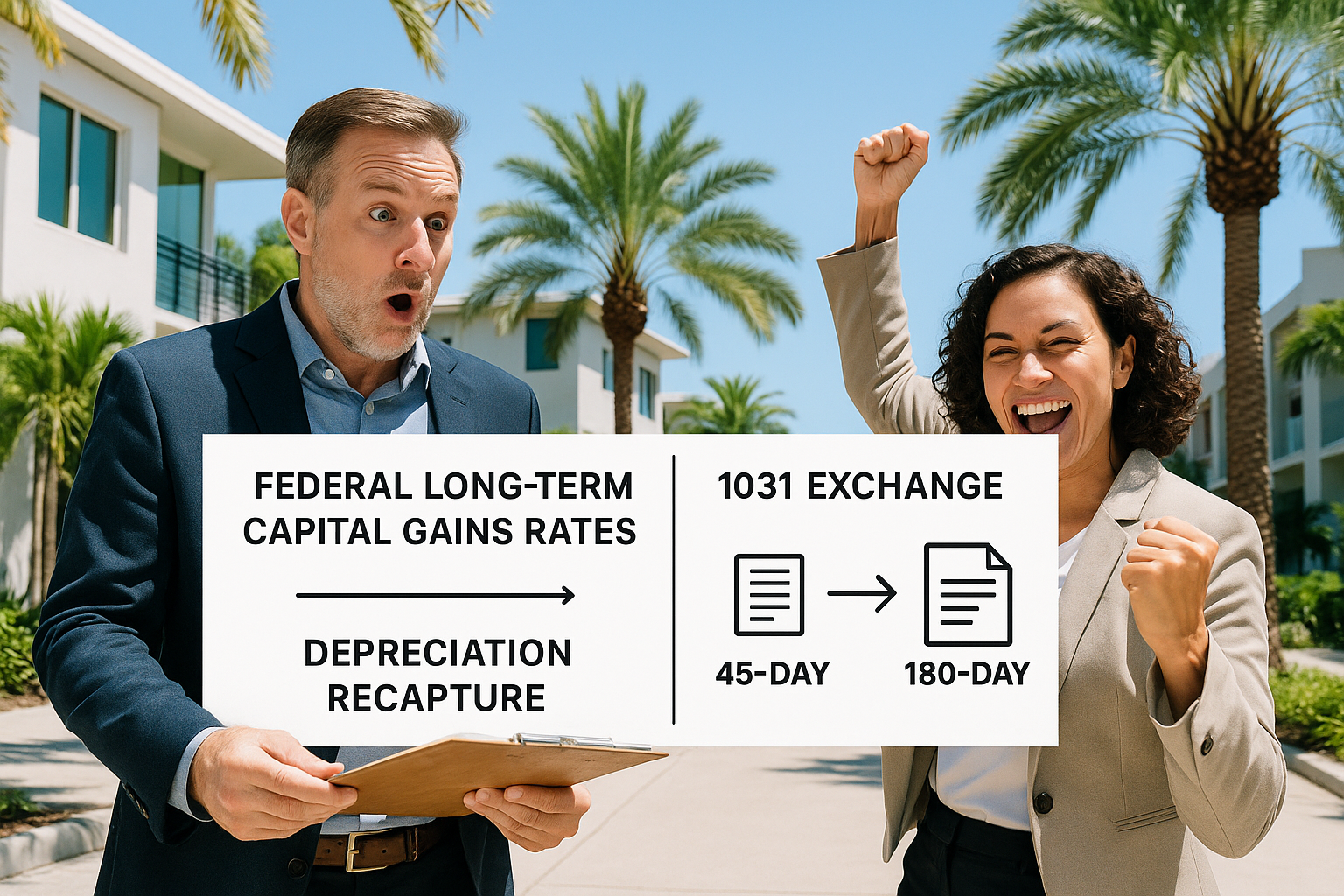
Commercial Property Capital Gains Guide
Selling commercial real estate can feel a lot like discovering the “small print” brought a suitcase. The headline number looks great, but the real story lives in the taxes, depreciation recapture, and whether a 1031 exchange can save you from an IRS-induced headache. Capital gains on commercial property are the taxes you may owe…
-
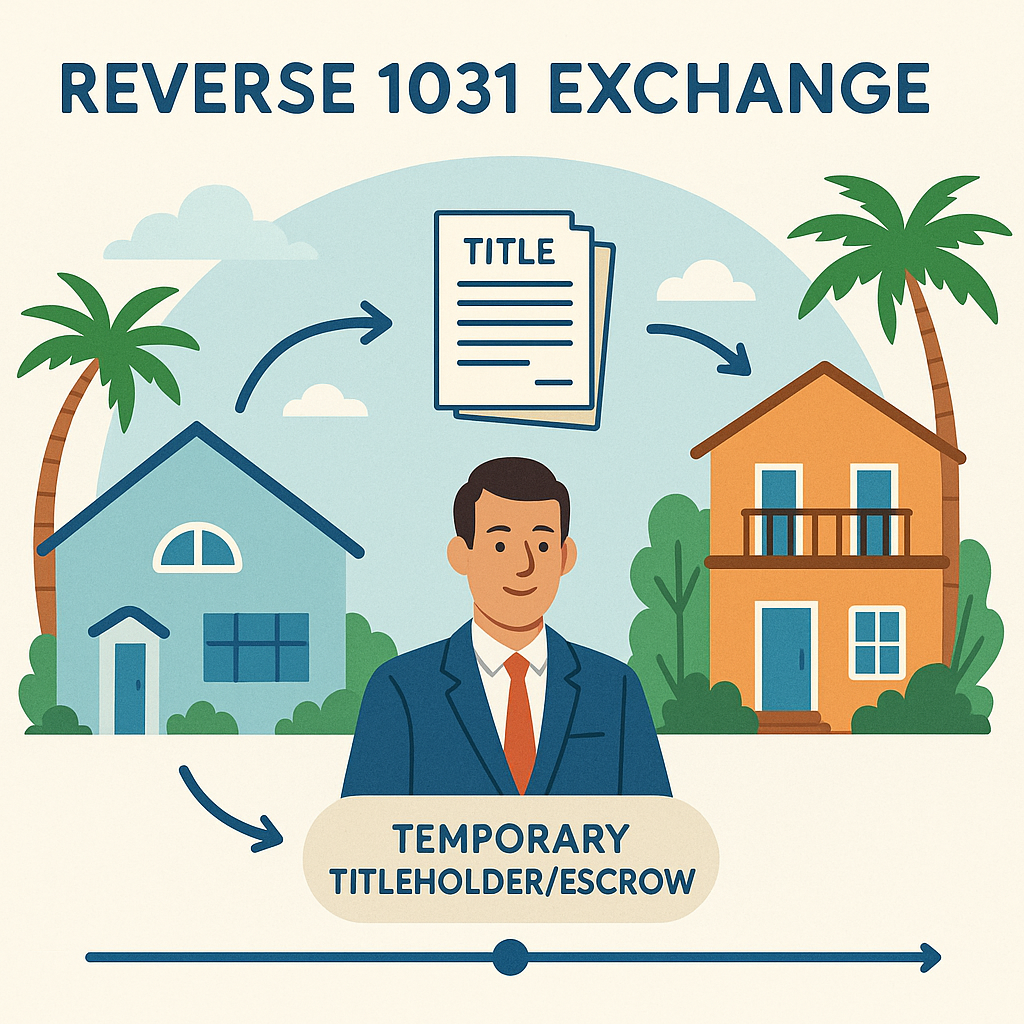
How Does a Reverse 1031 Exchange Work?
Cue dramatic pause — because yes, real estate can somehow make “buy first, sell later” sound like a tax strategy instead of a chaotic weekend decision. A reverse 1031 exchange lets an investor buy the replacement property first and sell the relinquished property later while still aiming to defer capital gains taxes under Section 1031.…
-
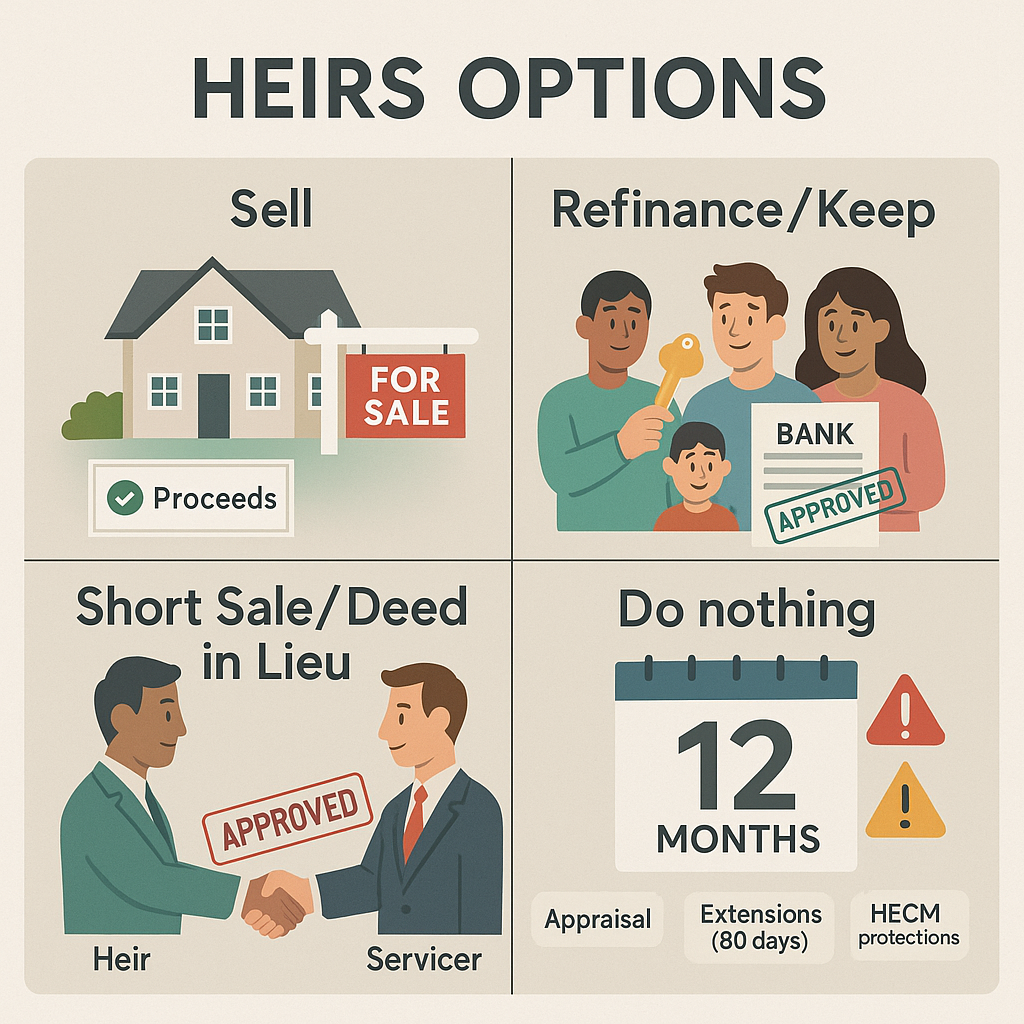
Sell Commercial Property in 2026
How to sell commercial property — the short answer Selling commercial property in 2026 means updating your valuation, cleaning your data room, and negotiating terms as hard as price. In plain terms: refresh your appraisal and comps, present clean NOI and rent rolls, use a targeted Offering Memorandum (OM), and trade flexible terms for certainty…
-
CAM in Commercial Real Estate
Featured snippet: Common Area Maintenance (CAM) in commercial real estate are the shared operating costs—parking, landscaping, lighting, security, elevators—that tenants pay pro‑rata on top of base rent. Landlords bill CAM to cover building‑wide expenses; tenants must watch definitions, reconciliations, caps, and capital treatment to avoid nasty true‑ups. But here’s the kicker: a well‑drafted CAM clause…