
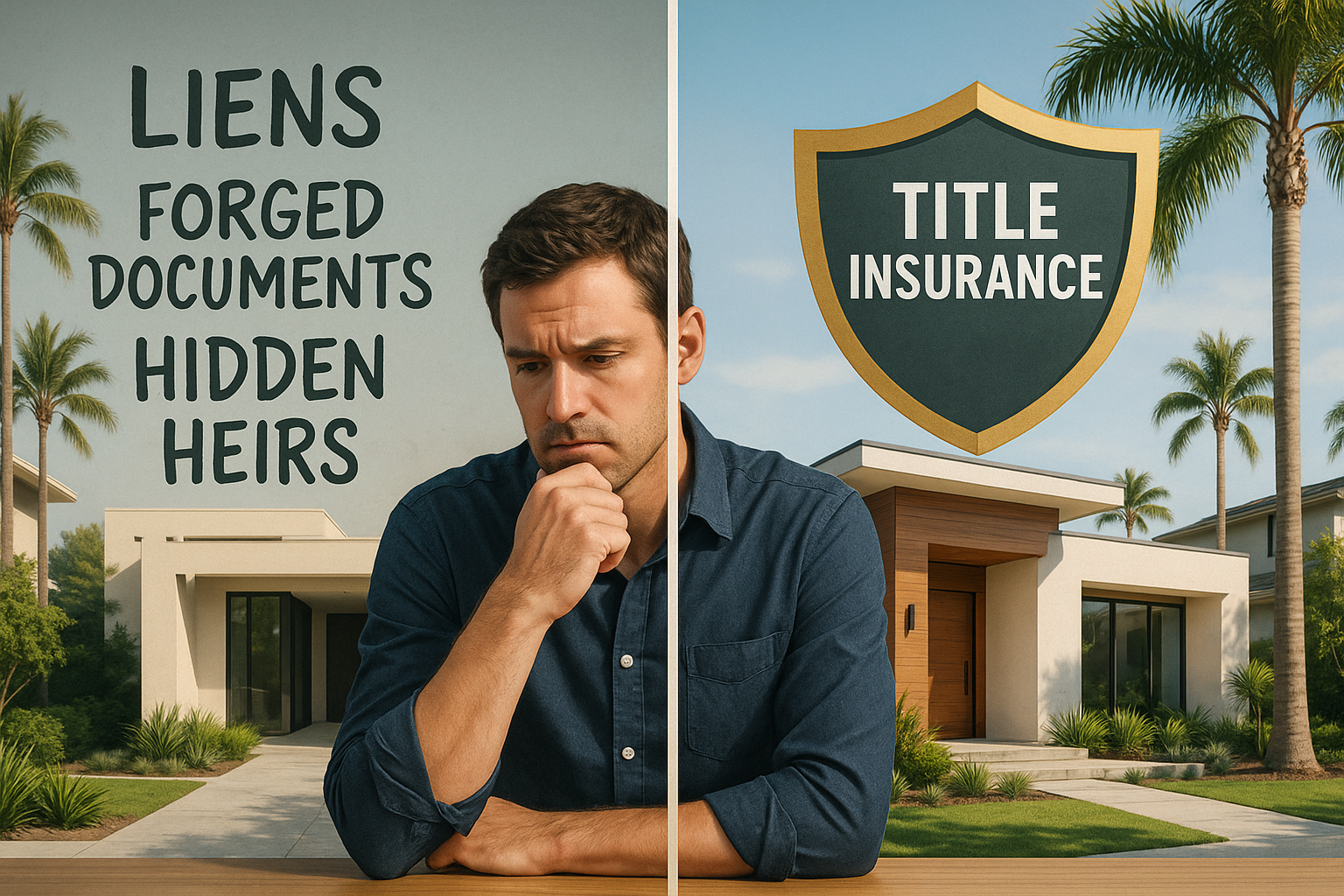
Buying a home is exciting, but the paperwork can feel like it was written by a committee of lawyers, accountants, and one person who hates joy. One of the terms that makes buyers stop and blink is title insurance.
Here’s the short version: title insurance protects your ownership rights if a hidden issue from the property’s past shows up later. Think unpaid liens, filing errors, forged signatures, or a long-lost heir with a very inconvenient opinion. In Florida, including the Tampa market, this protection matters because real estate records can get messy fast.
Let’s be real: title insurance sounds like something you’d buy to protect a medieval crown. But in real estate, it’s there to protect your legal claim to the home when the property history gets weird.

What Is Title Insurance?
Title insurance is a policy that helps protect you from financial loss if someone challenges your legal ownership of a property. Unlike homeowners insurance, which covers future events like fire, theft, or your cousin using the garage as a band rehearsal space, title insurance deals with past problems.
That means it looks for issues that may have happened before you bought the home, such as:
– Old unpaid liens
– Forged signatures on past documents
– Undisclosed heirs
– Filing errors in public records
– Boundary disputes
– Fraud involving the property title
According to the Consumer Financial Protection Bureau, lender’s title insurance protects the lender against title problems, while owner’s title insurance protects the buyer’s interest in the home. In other words, it helps make sure the property you bought is actually the property you own. Tiny detail. Huge deal.
Takeaway: Title insurance protects against hidden ownership problems from the property’s past, not future damage. Pro tip: if the paperwork gets spooky, title insurance is your flashlight.
Why Title Insurance Matters
A property can have a long history, and not every issue shows up during the title search. That search is designed to uncover problems before closing, but even the best detective work can miss something.
Now, before your eyes glaze over like a fresh donut, let’s look at the actual point: title insurance exists because people, records, and signatures are imperfect. Shocking, I know.
If a covered claim comes up later, the title insurer may:
– Pay legal fees to defend your ownership
– Cover the cost to resolve the title issue
– Compensate you for a covered financial loss
The American Land Title Association says the title insurance industry has protected property rights for more than 125 years. That’s a pretty solid track record in a field where “surprise” usually means “expensive.”
Takeaway: Title insurance matters because title searches can miss hidden issues. Pro tip: it’s cheaper to buy peace of mind at closing than to fund a legal drama later.

Two Main Types of Title Insurance
There are two main types of title insurance, and they do different jobs. Because apparently one policy wasn’t enough to keep real estate entertaining.
1. Owner’s Title Insurance
This protects the homebuyer’s financial interest in the property. It is typically optional, but highly recommended.
Owner’s title insurance usually lasts as long as you or your heirs own the home.
2. Lender’s Title Insurance
This protects the mortgage lender’s interest in the property. If you are financing your purchase, your lender will usually require this policy.
The Consumer Financial Protection Bureau confirms that lender’s title insurance protects the lender, not the homeowner. So yes, the bank gets protection too. The house is basically hosting two different bodyguards.
Takeaway: Owner’s title insurance protects you; lender’s title insurance protects the lender. Pro tip: if you’re buying a home with a mortgage, don’t assume the lender’s policy covers your interests. It doesn’t.

What Does Title Insurance Cover?
Title insurance can help protect against a range of ownership problems. Common examples include:
– A previous owner failed to pay property taxes
– A contractor placed a lien on the home
– A document was forged or filed incorrectly
– Someone claims they inherited the property
– A boundary or easement dispute appears after closing
In plain English: it helps make sure that when you buy a home, you actually receive clear ownership, not a surprise guest appearance from the property’s complicated past.
Takeaway: Title insurance helps protect clear ownership. Pro tip: if a past issue can follow the property like a bad sequel, title insurance is your defense plan.
Who Pays for Title Insurance?
This is one of the most common questions buyers ask, and the answer is: it depends.
There is no single national rule for who pays title insurance. Payment is usually based on:
– State custom
– Local market practices
– The purchase contract
– Negotiation between buyer and seller
So yes, the answer is the real estate classic: “it depends.” Not elegant, but true.
Takeaway: Who pays depends on local custom and the contract. Pro tip: don’t guess—ask your agent, lender, or title company before closing day turns into a surprise party.
Typical Payment Breakdown
In many transactions:
– The buyer pays for lender’s title insurance because the lender requires it
– The owner’s policy may be paid by either the buyer or seller, depending on the market or contract
In some areas, sellers commonly pay for the owner’s policy as part of closing costs. In others, buyers pay both policies. Sometimes the cost is split, because compromise is apparently the unsung hero of real estate.
Takeaway: The buyer often pays for lender’s coverage, while the owner’s policy can go either way. Pro tip: check the local norm early so you’re not doing closing-cost math at the eleventh hour.
Regional Differences Matter
Title insurance payment customs vary a lot by location.
For example:
– In some states, sellers often pay for the owner’s policy
– In others, buyers usually cover both policies
– In competitive markets, sellers may offer to pay title costs as a concession to help close the deal
This is one of those “same industry, different universe” situations. What’s normal in one market can be unusual in another.
Takeaway: Regional custom matters a lot. Pro tip: your local title company knows the script—use them before you start negotiating blindfolded.
How Much Does Title Insurance Cost?
The cost of title insurance depends on:
– The home’s purchase price
– The state you’re buying in
– The type of policy
– Local rate structures
Unlike homeowners insurance, title insurance is usually a one-time premium paid at closing rather than an annual bill.
That’s good news for budgeting. It’s still a closing cost, but at least it doesn’t keep showing up every year like an unwanted sequel.
Takeaway: Title insurance is usually a one-time closing cost. Pro tip: ask for the estimate early so the number doesn’t jump out at you like a raccoon in the attic.

Can You Skip Title Insurance?
Technically, you may be able to skip the owner’s policy in some cases, but that usually comes with risk.
Without owner’s title insurance, you could be stuck dealing with problems after closing, including legal fees and possible loss of ownership interest. That’s a lot of drama for a policy that usually costs far less than the nightmare it prevents.
Lender’s title insurance is usually not optional if you’re financing the purchase.
Takeaway: You may be able to skip owner’s title insurance, but doing so can be risky. Pro tip: saving a little now can cost a lot later—real estate’s favorite plot twist.
Real-World Example
Imagine you buy a home, move in, and later discover a previous owner had unpaid contractor bills tied to the property. The contractor files a lien and says the property should help satisfy the debt.
If you have title insurance, the policy may help cover the legal defense and the cost to resolve the issue. Without it, you’re left holding the bag, and that bag is full of lawyers.
That’s why title insurance is often described as protection for the “what if” problems no one expects at closing.
Takeaway: Title insurance can save you from expensive post-closing surprises. Pro tip: the house should come with a driveway, not a lawsuit.
Final Thoughts
Title insurance is an important part of buying real estate because it protects against hidden ownership problems from the property’s past. There are two main types: owner’s title insurance, which protects the buyer, and lender’s title insurance, which protects the mortgage lender.
Who pays for it depends on local custom and what is negotiated in the contract. In many cases, the buyer pays for lender’s coverage, while the owner’s policy may be paid by the buyer or seller depending on the market.
If you’re buying a home in Tampa or anywhere in Florida, don’t overlook title insurance. It may feel like just another closing cost, but it can provide meaningful protection for one of the biggest purchases you’ll ever make.
Contact me with any questions at [email protected] or reply to this post to subscribe to my monthly commercial real estate newsletter for more insights.