
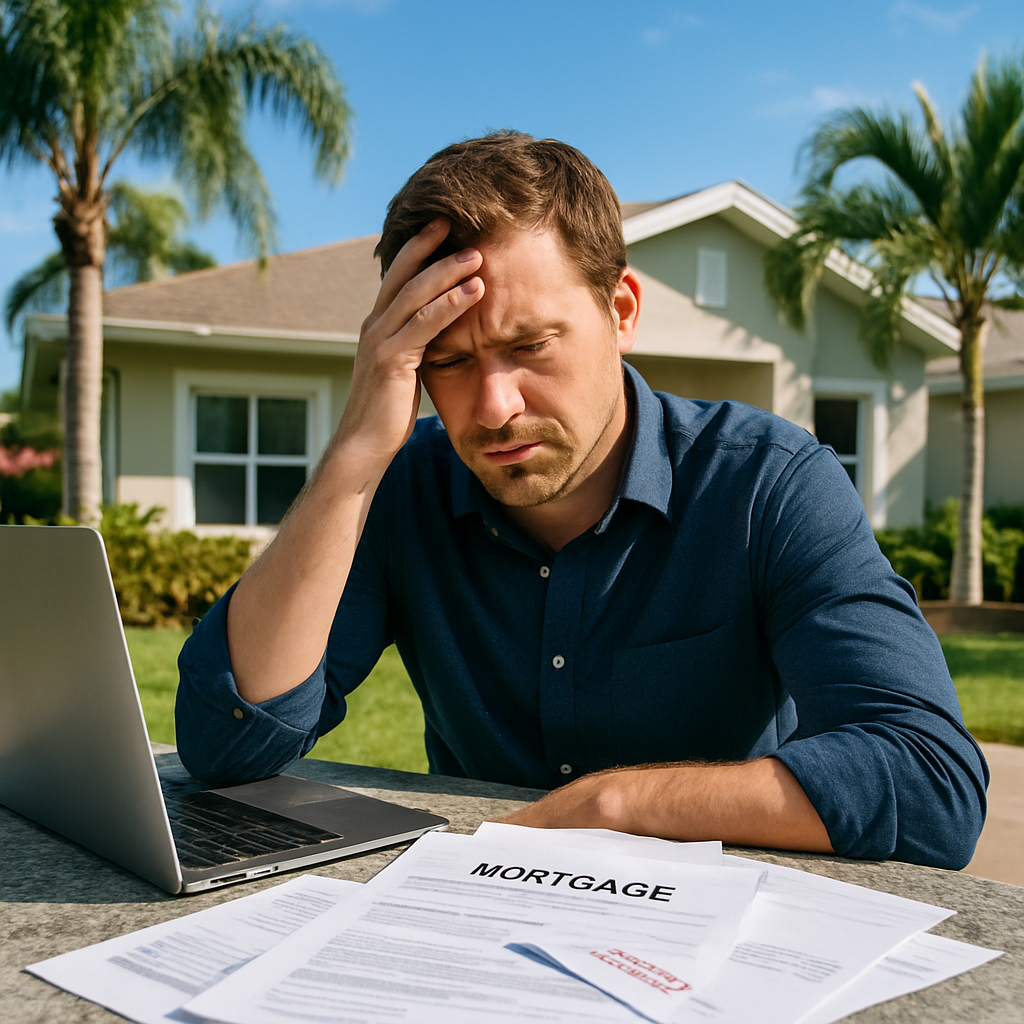
Let’s be real: nobody daydreams about a short sale in Florida while sipping coffee and admiring the crown molding. If you’re here, chances are the mortgage, the mailbox, and the stress level are all having a very un-fun group chat. Cue dramatic pause. A short sale can feel intimidating, but for some Florida homeowners, it’s the cleanest way to avoid foreclosure and get out from under a house that’s financially wearing combat boots.
If you’re behind on payments and owe more than your home is worth, a short sale may be one of the most practical paths forward. It’s not quick, and it’s definitely not glamorous, but it can offer more control than waiting for the lender to foreclose. Now, before your eyes glaze over like a fresh donut, let’s look at how this actually works in Florida.

What Is a Short Sale in Florida?
A short sale in Florida happens when your home is sold for less than what you still owe on the mortgage, and the lender agrees to accept that reduced payoff.
Here’s the math, because numbers do enjoy crashing the party:
– Mortgage balance: $350,000
– Fair market offer: $300,000
– Shortfall: $50,000
Without lender approval, the sale cannot close as a short sale. The lender has to agree to release its lien, and if there are junior liens hanging around like that one uncle who never leaves the cookout, those may also need to be negotiated or paid off.
Short sales usually require a legitimate financial hardship, such as:
– Job loss
– Reduced income
– Divorce
– Medical bills
– Death of a spouse or co-borrower
– Other documented hardship
A drop in value alone usually won’t cut it. Lenders want proof that you’re truly unable to keep making payments.
Takeaway: A short sale is not just “selling for less.” It’s a lender-approved negotiation with paperwork, proof, and patience.
Why Florida Homeowners Consider a Short Sale
Florida has a lot of homeowners dealing with a mismatch between mortgage debt and current home value, especially after a job loss, divorce, illness, or move. Sometimes life changes faster than the local housing market can catch up. Rude of life, honestly.
A short sale may help because it can:
– Avoid a foreclosure on the public record
– Reduce long-term credit damage compared with foreclosure
– Give you more control over the sale process
– Potentially reduce or eliminate deficiency liability
– Help you move forward sooner
HUD recognizes short sales as an alternative to foreclosure for homeowners with an approved hardship case, but lender cooperation is still the gatekeeper here. Think of it like a bouncer with a spreadsheet.
Takeaway: If foreclosure is the storm cloud, a short sale may be the umbrella—crooked, imperfect, but still better than getting drenched.
How the Short Sale Process Works in Florida
The process is paperwork-heavy, lender-dependent, and slower than a Monday morning escrow update. But it usually follows the same general steps.
1. Confirm your hardship
First, you need to show the lender that you genuinely can’t keep up with the mortgage. Your short sale package often includes:
– Hardship letter
– Recent pay stubs
– Bank statements
– Tax returns
– Mortgage statements
– Utility bills
– Proof of medical expenses, divorce, unemployment, or other hardship
The cleaner and more complete your file is, the less likely it is to get buried in a lender’s “we’ll get to it later” pile.
Pro tip: If your hardship package looks like it was assembled during a lightning storm, expect delays. Organization is your best friend here.

2. Hire an experienced real estate agent
Not every agent knows short sales. This is one of those situations where “my cousin sold a condo once” is not a qualification.
You need someone who knows how to:
– Price the home realistically
– Communicate with the lender
– Handle the documentation
– Keep the buyer from vanishing into the Florida humidity
A short sale listing should usually reflect current market value. Overpricing slows everything down and makes lender approval less likely.
Takeaway: The right agent is part negotiator, part paperwork wrangler, part therapist. Choose wisely.
3. Receive an offer from a buyer
Once a buyer submits an offer, your agent sends the contract and short sale package to the lender. Then the lender starts reviewing the whole mess—politely, eventually, and sometimes after several coffee breaks.
The lender will usually look at:
– The offer price
– The property’s market value
– The condition of the home
– Your hardship
– Whether foreclosure would cost them more
They may order a broker price opinion or appraisal to confirm value.
Takeaway: A buyer’s offer is not the finish line. In a short sale, it’s more like getting invited to the next round.
4. Wait for lender review and approval
This is often the longest part of the process. The lender may take weeks or months to review the file, request more documents, or negotiate the terms.
If the lender approves the short sale, it will issue a written approval letter. That letter may include:
– Approved sale price
– Deadline for closing
– Whether the deficiency balance is waived
– Whether the seller must contribute closing costs
– Any other conditions
Do not rely on verbal promises here. If it’s not in writing, it’s basically a rumor in a blazer.
Takeaway: The approval letter is the whole ballgame. No letter, no deal, no magic, no “but the rep said…”
5. Close the transaction
If everything is approved and the buyer is still standing there with a mortgage pre-approval and a pulse, the home can move to closing.
In many cases, the full process takes 90 to 120 days or longer, depending on the lender, loan type, number of liens, and how complete your paperwork is.
Takeaway: Short sale timing is more “slow simmer” than “microwave dinner.” Plan accordingly.
How Long Does a Short Sale Take in Florida?
There’s no exact timeline, but you should expect this to take longer than a traditional sale. Usually, it looks something like this:
– Initial documentation and listing: 1 to 3 weeks
– Buyer offer submission: varies
– Lender review: 30 to 90 days
– Negotiation and approval: 2 to 6 additional weeks
– Closing: 2 to 4 weeks after approval
If there are multiple lien holders, HOA liens, IRS liens, or special investor rules, the timeline can stretch even more.
Takeaway: A short sale is not a speed race. It’s more like a paperwork marathon with potholes.

Florida-Specific Issues Sellers Should Watch
Florida short sales can come with their own flavor of chaos. Because of course they can.
Deficiency judgments
One major issue is whether the lender will waive the deficiency balance. That’s the amount still owed after the sale closes.
For example, if the lender approves the short sale but the mortgage balance is still higher than the sale proceeds, the remaining balance could still be pursued unless the lender agrees in writing to forgive it.
So yes, the approval letter matters a lot. Never assume the short sale automatically erases the debt.
Takeaway: If the lender’s forgiveness isn’t written down, assume it’s still alive and well.
Junior liens and HOA balances
Florida homes often have more than one lien, including:
– Second mortgages
– Home equity lines of credit
– HOA or condo association liens
– Tax liens in some cases
These can complicate or block the sale unless they’re addressed properly.
Takeaway: One mortgage is enough drama. Multiple liens are a full soap opera.
Condo and HOA issues
Florida’s condo and HOA world can make short sales extra spicy. If you owe unpaid dues or special assessments, those balances may need to be resolved before closing.
Takeaway: In Florida, the association can be just as important as the lender. Never ignore the dues train.
FHA and Other Loan-Type Considerations
Loan type matters. A lot.
Recent 2025 industry updates note that FHA short sale programs may have procedural changes affecting hardship and delinquency requirements. Some FHA pathways require a borrower to be a certain number of days delinquent before eligibility kicks in, and documentation rules can differ from conventional loans.
Conventional loans owned or backed by Fannie Mae or Freddie Mac may have their own short sale guidelines too. Translation: your neighbor’s short sale story is not your short sale blueprint.
If you’re not sure what kind of loan you have, check your mortgage statement or contact your loan servicer.
Takeaway: Before you plan the sale, find out what kind of loan you’re actually wrestling with. The details matter.
What Happens to Your Credit?
A short sale can hurt your credit, but it is generally less damaging than a foreclosure.
The impact depends on:
– How delinquent the loan was before the sale
– Whether the lender reports the debt as settled, forgiven, or charged off
– Whether any deficiency remains
– Your overall credit profile
Many homeowners choose a short sale because it may allow them to recover faster and potentially qualify for another mortgage sooner than a foreclosure would.
Takeaway: Short sales aren’t credit-free, but they can be the lesser of two financial headaches.
Tax and Financial Consequences
A forgiven deficiency may have tax consequences.
In some cases, forgiven mortgage debt can be treated as taxable income under federal rules, though exceptions may apply depending on your situation and the law at the time. That’s why talking to a tax professional before finalizing a short sale is smart, not optional.
You may also need to plan for:
– Relocation costs
– Closing cost negotiations
– Credit repair after the sale
– Possible wait periods before buying again
Takeaway: A short sale may solve one problem, but the tax and relocation pieces still need a plan.
Short Sale vs. Foreclosure in Florida
Here’s the quick-and-clean comparison:
| Factor | Short Sale | Foreclosure |
| Homeowner control | More control | Very little control |
| Credit impact | Usually less severe | Usually worse |
| Timeline | Often faster than foreclosure | Can take much longer |
| Public record | Less damaging | More damaging |
| Deficiency risk | May be negotiated | Often greater risk |
A short sale is not ideal, but for many homeowners, it beats foreclosure by a mile and a half.
Takeaway: If you can choose the road out, take the one with fewer wrecking balls.
When a Short Sale May Not Be the Best Option
A short sale may not be your best move if:
– You can catch up on payments through a loan modification
– You have enough equity to sell traditionally
– You can negotiate a deed-in-lieu of foreclosure
– The lender is unlikely to approve the hardship
– There are multiple liens that can’t be resolved
Other alternatives may include:
– Loan modification
– Forbearance
– Deed-in-lieu of foreclosure
– Traditional sale
– Bankruptcy consultation, if appropriate
Takeaway: A short sale is one tool in the toolbox, not the only hammer in town.
Best Practices for Selling a House as a Short Sale in Florida
If you’re considering this route, keep these best practices in mind:
1. Act early.
Don’t wait until foreclosure is already breathing down your neck.
2. Work with an experienced short sale agent.
This is a specialty game, not a “figure it out as we go” situation.
3. Gather every document the lender may need.
Missing paperwork is delay fuel.
4. Be realistic about price.
Overpricing hurts approval chances.
5. Get legal and tax advice.
Deficiency waivers and tax consequences matter.
6. Keep communication organized.
Save emails, letters, and confirmation numbers like your peace of mind depends on it—because it does.
Takeaway: Short sales reward the prepared and punish the chaotic. Be the prepared one.
Final Thoughts
Selling a house as a short sale in Florida can be stressful, slow, and annoyingly document-heavy, but it may also be the best path for a homeowner trying to avoid foreclosure and move forward. It’s not easy, but it can give you more control, more dignity, and possibly a cleaner financial exit than waiting for the lender to take over.
If you’re behind on payments and think a short sale may be the right choice, start by identifying your loan type, documenting your hardship, and speaking with an experienced real estate professional and attorney. The sooner you act, the more options you’re likely to have.
Click this link to schedule a 15 minute call to discuss your real estate needs:
Contact me with any questions at [email protected] or reply to this post to subscribe to my monthly commercial real estate newsletter for more insights.