
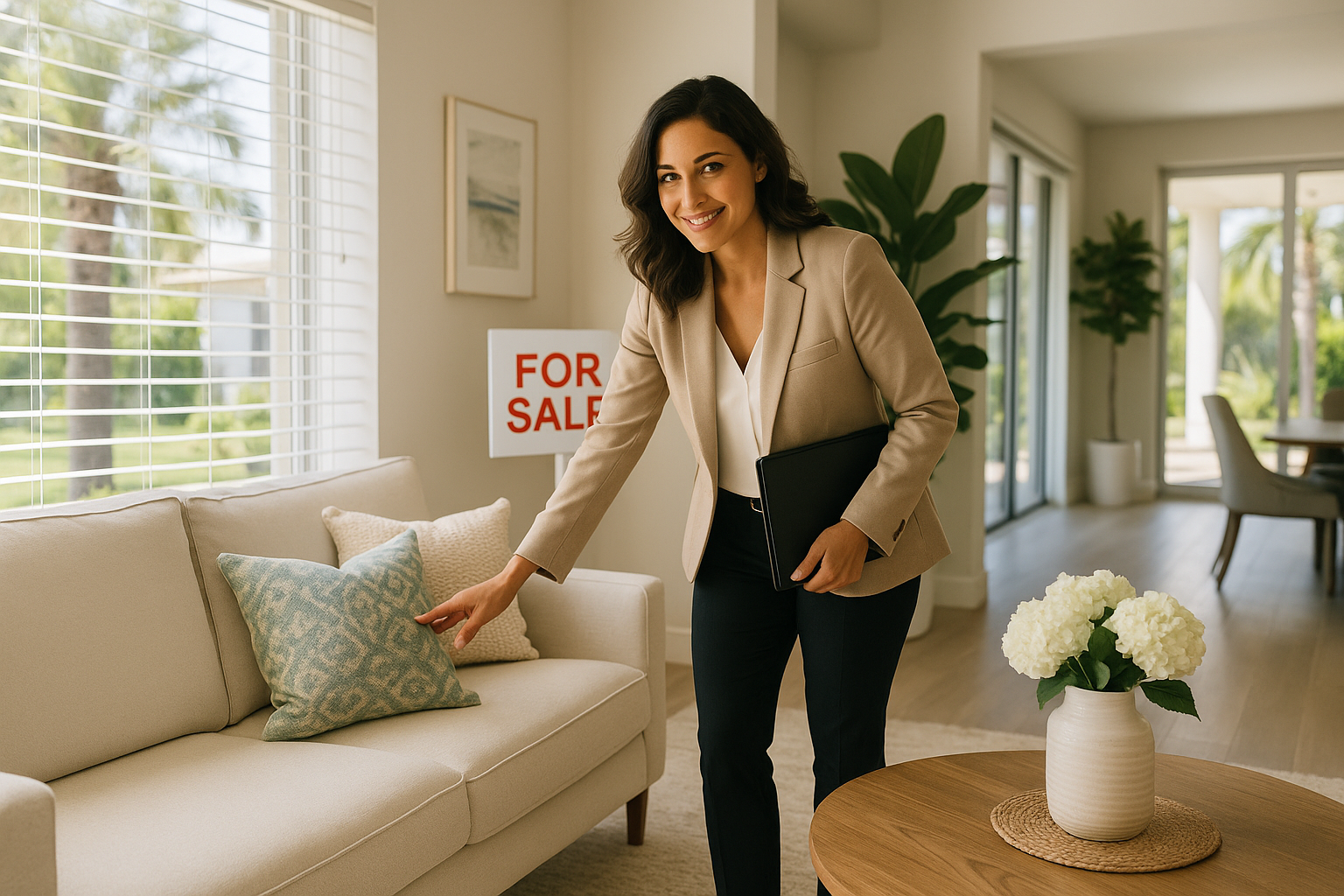
Let’s be real: selling a house in Florida is a little like trying to pick the best day to go to Disney World. There’s always a crowd, the weather has opinions, and timing can mean the difference between a smooth ride and standing in line like a champ for three hours.
If you’re planning to sell a house in Florida, the short version is this: spring through early summer is usually the best time to sell, with March through July standing out as the strongest window. But here’s the kicker — that’s not the whole story. The best time for your home depends on your goals, your location, and whether your house has the kind of curb appeal that makes buyers forget they were just “looking.”
Let’s look at why timing matters and how to use it to your advantage.

Why Timing Matters in Florida Real Estate
Florida is not your average market. The Sunshine State has buyers showing up year-round like it’s their job.
Here’s why:
– Families relocating before the school year starts
– Retirees and snowbirds chasing the good weather
– Investors hunting for vacation-rental potential
– Out-of-state buyers moving for work or lifestyle
That means Florida doesn’t get the same dramatic winter slowdown some colder states do. Still, buyer activity usually peaks in spring and early summer. According to Florida Realtors and national listing trend reports from Zillow and Realtor.com, homes listed during this stretch often sell faster and for more money than homes listed in the fall or winter.
And in 2025, Florida Realtors even pointed to the week of April 13–19 as potentially especially favorable for sellers. Translation: a good list date can be a real estate cheat code.
Pro tip: If you can time your listing for peak buyer activity, you may get more showings, stronger offers, and fewer “we’re still thinking about it” tire-kickers.
The Best Months to Sell a House in Florida
Spring: March Through May
Spring is the heavyweight champ of Florida home sales. The weather is nicer, lawns look less like they lost a fight with the sun, and buyers are out in full force.
Why spring works so well:
– Families want to move before school starts
– Curb appeal is at its peak
– Buyers are often more motivated after winter
– Out-of-state buyers are traveling to Florida during this period
Realtor.com’s 2025 seasonal analysis suggested mid-April may be an especially strong time to list, with higher visibility and lower competition than average.
If your home is clean, bright, and well-priced, spring can be the season where buyers start acting like they’ve suddenly discovered urgency.
Early Summer: June Through July
Early summer is still a strong selling season, especially for homes that shine in warm weather. This is a particularly good time for:
– Homes with pools
– Waterfront properties
– Vacation homes
– Properties appealing to seasonal or relocating buyers
Zillow has reported that late spring and early summer often bring some of the strongest sale prices nationally, and Florida tends to follow that pattern closely. In plain English: if your house screams “Saturday by the pool,” this is its time to shine.
Fall and Winter: Slower, but Not Dead
Florida homes still sell in the fall and winter, but the market usually softens a bit. That doesn’t mean you should avoid listing then. It just means you need a smarter strategy and a little more patience than a toddler in a grocery store.
Winter can still be a smart time to sell if:
– You’re in South Florida or a coastal area
– You’re targeting snowbirds
– Your home is in a retirement-friendly community
– Inventory is limited in your area
A beach-adjacent home in January can still attract serious attention. So can a low-maintenance property that feels like a warm-weather escape from the frozen north.

What Florida Market Trends Mean for Sellers
Florida’s housing market has stayed active compared with many parts of the country. Migration from higher-cost states continues to support demand, especially in metro areas like Miami, Tampa, Orlando, Jacksonville, and Naples.
Here’s what sellers should keep in mind:
– Inventory can vary sharply by region
– Homes priced right still move quickly
– Buyer demand remains strong in metro and coastal areas
– Well-presented homes stand out more in competitive spring months
Florida Realtors continues to show that seasonal timing matters, even in a strong market. So yes, the market matters — but so does presentation. A nice house with bad pricing is like a sports car with no gas. Cute, but not going anywhere.
Regional Differences Across Florida
Not every part of Florida follows the exact same selling pattern. Local demand, tourism, and buyer type all affect timing.
South Florida
In places like Miami, Fort Lauderdale, and Palm Beach, timing often revolves around:
– International buyers
– Luxury demand
– Seasonal residents
– Waterfront appeal
These areas often see strong activity in spring and early summer, but some segments stay active all year. In luxury markets, the buyer pool may be smaller, but they can also be more decisive when the right property shows up.
Central Florida
Orlando, Tampa, and nearby communities often benefit from:
– Relocating families
– Job-driven moves
– Retirees
– Strong suburban demand
For many Central Florida sellers, spring offers the best blend of speed and price. It’s the classic “move before summer chaos” window.
Coastal and Vacation Markets
In areas with second homes and vacation rentals, winter can bring a bump in demand from snowbirds and remote buyers. If your property is near the beach or in a tourist-heavy area, you may get strong interest even outside peak spring season.
These buyers often care about lifestyle first and spreadsheets second — though don’t worry, the spreadsheet still shows up eventually.

How to Maximize Your Sale Price
Timing is only part of the story. A well-prepared home can outperform a poorly prepared one, even in peak season. Hot market, cold mess? Buyers notice.
1. Price It Strategically
Overpricing is one of the fastest ways to lose momentum. Even in a hot market, buyers are paying attention.
Work with a local agent who understands:
– Recent neighborhood sales
– Current competition
– Buyer behavior in your area
– How quickly similar homes are moving
2. Focus on Curb Appeal
Florida buyers notice the outside of the home right away. Clean up:
– Landscaping
– Driveways and sidewalks
– Exterior paint
– Front entryways
– Pool areas and patios
Remember, the first impression starts before they even hit the front door. If the yard looks like it’s been ignoring its responsibilities, buyers may assume the rest of the house has too.
3. Highlight Florida-Friendly Features
Make sure buyers know what makes your home valuable in Florida:
– Air conditioning
– Energy efficiency
– Impact windows
– Pool and outdoor living space
– Hurricane protection
– Low-maintenance landscaping
These features aren’t just nice-to-haves. In Florida, they’re often the difference between “cute house” and “I need this house.”
4. Choose the Right Listing Date
Many agents recommend listing later in the week so your home is fresh going into the weekend. That can help maximize showings during the first critical days on market.
The first weekend matters. A lot. It’s basically the opening night of your home’s performance, so don’t show up with a burnt-out spotlight and a half-dead fern.
5. Stage for the Season
Small seasonal touches can make a big difference:
– Open blinds to let in natural light
– Use bright, airy décor
– Keep interiors cool and comfortable
– Emphasize indoor-outdoor living
In Florida, buyers want to feel breezy, not boxed in. If your home feels dark and heavy, it’s working against the whole Sunshine State vibe.
Final Takeaway
If you’re asking when is the best time to sell a house in Florida, the short answer is spring through early summer — especially March through July. For many sellers, mid-April through June offers the strongest combination of buyer demand, faster sales, and better pricing.
But the best time for your home also depends on your location, price range, and property type. A well-priced, well-prepared home can sell successfully in any season. The market may set the stage, but your pricing, presentation, and timing do the actual heavy lifting.
Contact me with any questions at [email protected] or reply to this post to subscribe to my monthly commercial real estate newsletter for more insights.