
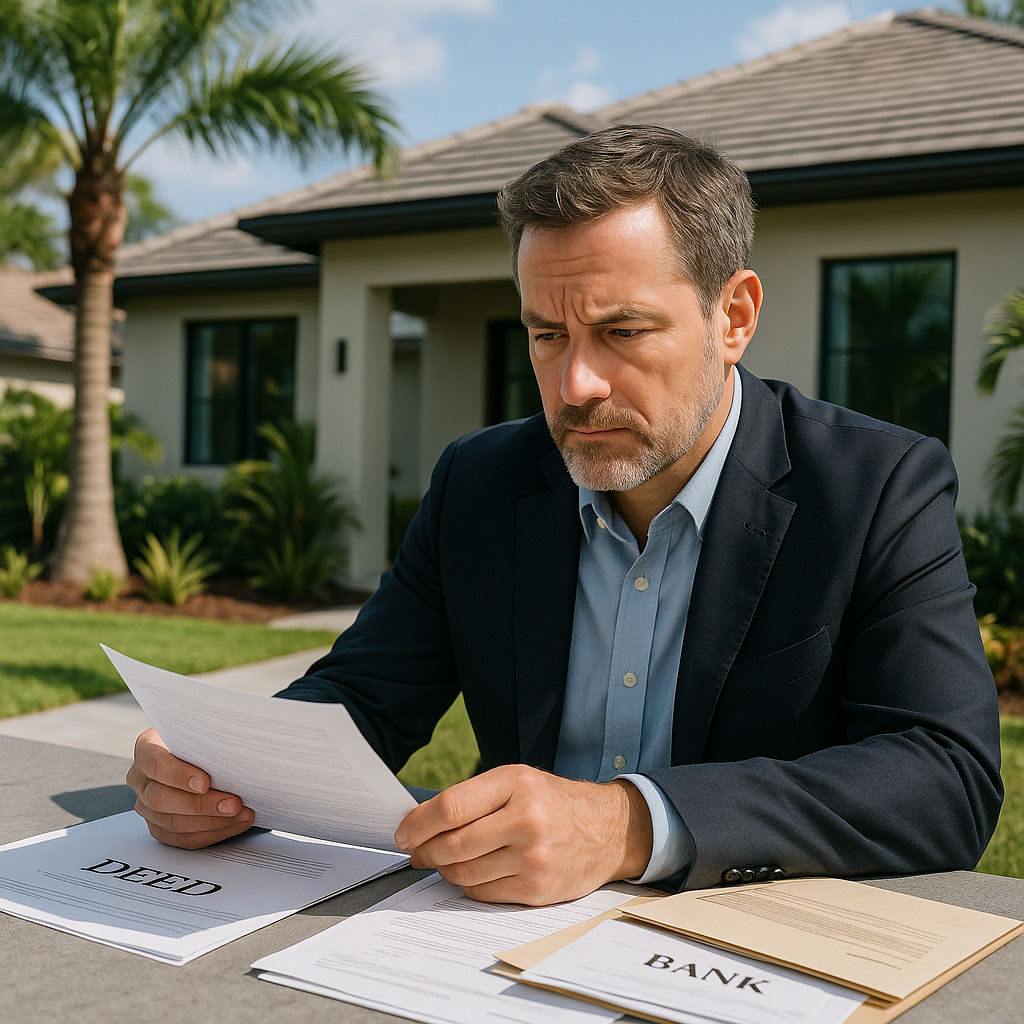
If you’ve ever heard someone say, “Don’t worry, the estate will be settled soon,” and then watched months vanish into court forms, bank statements, and family opinions, welcome to probate. Population: everybody who thought this would be quick.
So, how long does probate take in Florida? The honest answer is: it depends on the type of probate, the assets involved, and whether the family is cooperating or auditioning for a courtroom drama. In some cases, probate wraps up in a few weeks. In others, it can take a year or more.

How Long Probate Takes in Florida: The Short Answer
Here’s the practical version:
– Summary administration: usually 1 to 3 months
– Formal administration: usually 6 to 12 months
– Disputed or complex estates: often 18 months or longer
– Disposition without administration: sometimes a few weeks
That’s the broad range. The exact timeline depends on what kind of estate you’re dealing with and whether there are creditors, real estate issues, or family members who suddenly remember “what mom really wanted.”
Featured snippet version: How long does probate take in Florida? Usually 1 to 3 months for summary administration, 6 to 12 months for formal administration, and longer if the estate is disputed or complex.
The Three Main Types of Probate in Florida
Florida doesn’t use one single probate track for every estate. That would be far too convenient.
1. Formal Administration
This is the standard probate process and the one most people think of when they hear the word “probate.”
In a normal, uncontested case, formal probate in Florida typically takes about 6 to 12 months. Simpler estates may close closer to 6 to 9 months. More complicated cases — especially if there are disputes, debt problems, or real estate issues — can stretch to 18 months or more.
There’s a reason it doesn’t move like a drive-thru order. Florida law generally expects estates to be closed within 12 months of the personal representative’s appointment, although the court can extend that deadline if there’s a good reason.
2. Summary Administration
This is Florida’s faster probate option for qualifying estates. It may be available if:
– the non-exempt probate assets are under the statutory limit, or
– the person has been deceased for more than two years
For deaths on or after July 1, 2026, the summary administration cap is $150,000 in non-exempt probate assets. For earlier deaths, the older $75,000 limit applies.
In real life, summary administration often takes about 1 to 3 months, and sometimes less if everything is clean and uncontested.
3. Disposition Without Administration
This is the smallest and fastest path, but it only applies in very limited situations. It’s generally used when the estate includes only exempt assets or funds needed to cover final expenses like funeral costs or last medical bills.
When it applies, it can often be handled in weeks rather than months.

What Happens During Probate in Florida?
Even when an estate is simple, probate still has a built-in sequence. The court doesn’t just wave a magic wand and hand out the assets.
Formal Probate Usually Includes:
– filing the probate petition
– appointing a personal representative
– locating and valuing assets
– notifying beneficiaries and creditors
– waiting out the creditor claim period
– paying debts and taxes
– distributing remaining assets
– filing final paperwork and getting the discharge order
That’s a lot of boxes to check before anyone gets to say, “Okay, we’re done here.”
Why Probate Takes So Long in Florida
A few things tend to slow the process down. Sometimes it’s the law. Sometimes it’s the paperwork. Sometimes it’s the fact that family members can’t agree on what year it is, let alone who gets the house.
1. The Creditor Claim Period
This is one of the biggest reasons formal probate takes time.
In Florida, unknown creditors generally have 90 days from publication of the notice to creditors to file a claim. Known creditors who are directly served usually have 30 days.
That means the estate usually can’t distribute assets right away. The law gives creditors a chance to step forward first.
2. Real Estate Complications
If the estate includes Florida real estate — especially a homestead property — or property in another state, the process can slow down.
Out-of-state property may require ancillary probate, which adds another layer of legal work. And if there’s a house to sell, title issues to clear up, or multiple heirs with strong opinions, the timeline tends to stretch.
3. Family Disputes
Nothing adds time like a disagreement over the will, the house, the personal representative, or who “was promised” something over Sunday dinner in 2017.
Will contests, beneficiary disputes, elective share claims, and homestead fights can turn a straightforward case into a long, messy one.
4. Missing Documents
A missing will, incomplete bank records, unclear title paperwork, or poor estate planning can delay the process before it even gets rolling.
And yes, “I think the deed is in that drawer somewhere” is not an ideal legal strategy.
5. County and Court Backlogs
Probate is handled through the court system, and not every county moves at the same pace. Some counties are efficient. Others move like they’re waiting for a coffee refill and a miracle.

Florida Probate Rules That Affect Timing
If you’re wondering why probate can’t just be wrapped up in a long weekend, these are a few of the rules that explain it:
– The original will generally must be filed with the court within 10 days after death is known.
– The personal representative must file an inventory within 60 days of appointment.
– The notice to creditors process creates a waiting period.
– Florida generally expects the estate to be closed within 12 months of the personal representative’s appointment, unless the court allows more time.
So no, probate is not just “sign here and done.” It’s paperwork with a calendar and a strong opinion.
How to Keep Probate Moving Faster in Florida
You can’t remove every delay, but you can absolutely avoid some of the unnecessary ones.
Helpful Steps Include:
– gather the original will and death certificate early
– make a list of assets and debts
– locate account statements, deeds, and title documents
– determine whether the estate qualifies for summary administration
– keep communication open among heirs
– work with a Florida probate attorney familiar with the local court process
Families that get organized early usually save time, money, and several rounds of “where did we put that again?”
Bottom Line: How Long Does Probate Take in Florida?
If you’re asking how long probate takes in Florida, the truthful answer is: it depends on the estate, the assets, and the amount of drama attached to both.
– Summary administration: about 1 to 3 months
– Formal administration: about 6 to 12 months
– Complex or contested estates: often longer than a year
– Disposition without administration: sometimes weeks
The fastest cases are usually the ones with fewer assets, good records, and no family fireworks. The slowest cases are the ones with disputes, debts, or real estate complications. That’s the part that causes the most head-scratching.
If you’re dealing with a Florida estate, getting the right advice early can make a real difference. A little guidance now can save a lot of stress later — and a lot of coffee.
Joe Brown is a Tampa-based residential and commercial real estate advisor with Century 21 LIST with BEGGINS, helping homeowners, investors, and business owners make informed real estate decisions throughout the Tampa Bay area.
Contact me with any questions at [email protected] or reply to this post to subscribe to my monthly commercial real estate newsletter for more insights.
Leave a Reply