
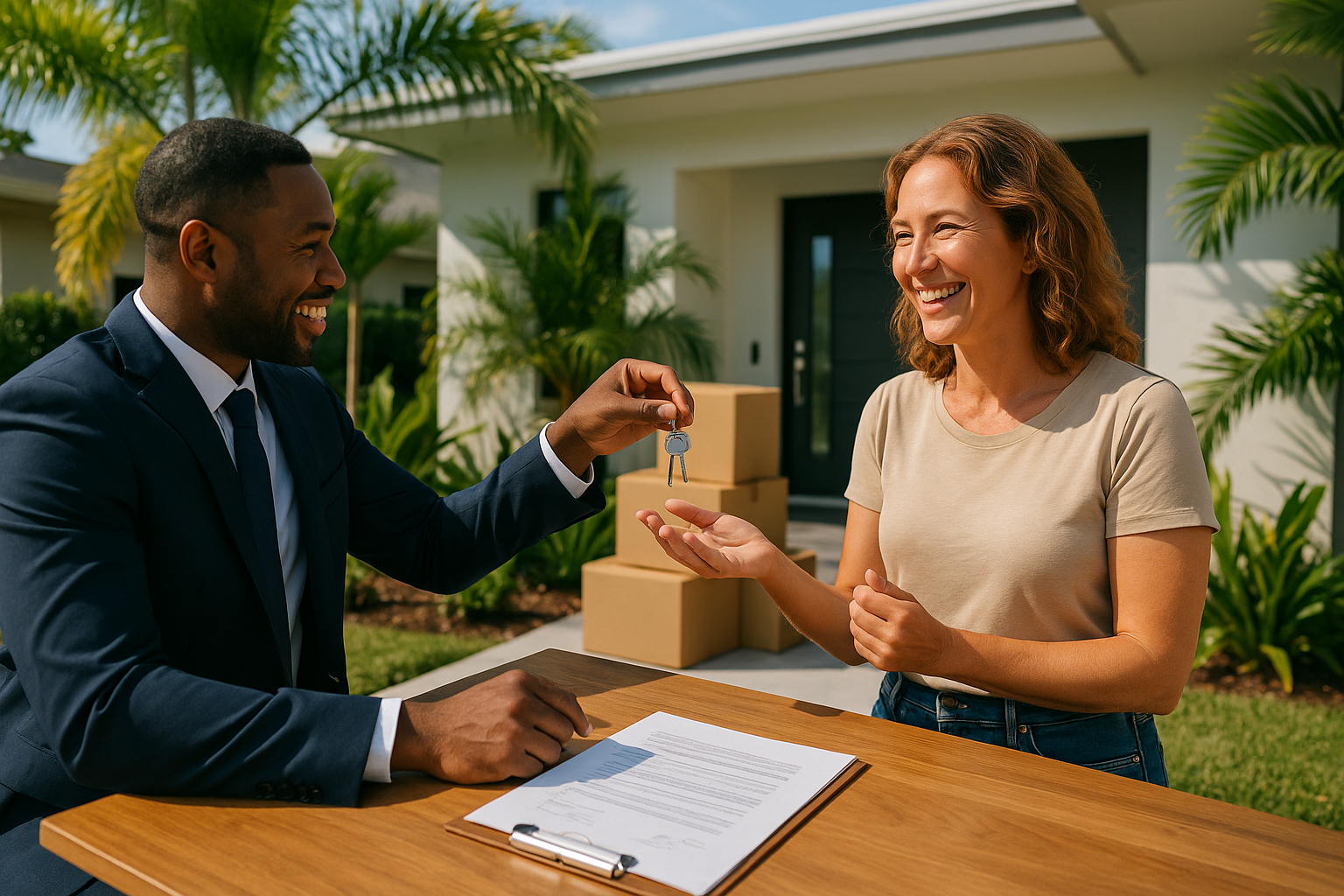
Selling a house looks simple from the outside. Put up a sign, wait for a miracle, and hand over the keys, right? Cue dramatic pause. In reality, selling a house is more like getting your car ready for a road trip: you can’t just hope the gas light is lying. You’ve got to check the tires, clean the windshield, and make sure the engine doesn’t sound like a blender full of bolts.
The short version: selling a house means understanding the market, preparing the home, pricing it correctly, marketing it well, negotiating smartly, and closing with as little chaos as humanly possible.
And in Tampa and across Florida, that matters more than ever. The market has cooled, buyers are pickier, and pricing mistakes tend to linger like a weird smell in an empty refrigerator.
According to Redfin’s 2025 housing market review, homes spent an average of 48.5 days on the market in 2025, the longest since the pandemic. Redfin also reported that inventory rose 18.3% year over year, which means buyers have more options and sellers have more competition. In other words: presentation, pricing, and patience matter a whole lot more than wishful thinking.

Step 1: Figure Out Where the Market Stands
Before you list, you need a real read on your local market. National headlines are fine for cocktail chatter, but your neighborhood sets the actual rules.
Look at:
– Average days on market
– Recent sale prices for similar homes
– How many homes are competing with yours
– Whether buyers are asking for concessions
A home in a low-inventory neighborhood with steady demand may move quickly. A home in an area loaded with listings and cautious buyers may need sharper pricing and stronger marketing. That’s just how the cookie crumbles, even if the cookie is shaped like a split-level ranch.
A good real estate advisor should be able to tell you whether you’re in a strong seller’s market, a balanced one, or a market where buyers have the upper hand.
Pro tip: Don’t guess based on what your cousin heard at a backyard barbecue. Use actual local data, because the market doesn’t care about family opinions.
Step 2: Choose the Right Listing Strategy
Once you know the market, decide how you want to sell. Most sellers still use a real estate agent, and honestly, that makes sense. According to the National Association of Realtors, 91% of sellers used a real estate agent in 2025, while FSBO sales fell to 5%, an all-time low.
Why the drop? Because selling well takes more than tossing your home on the internet and hoping a buyer appears like a polite ghost. You need:
– Correct pricing
– Professional photos
– Strong online exposure
– Negotiation support
– Help managing inspections, appraisals, and closing deadlines
If you’re in a market where buyers are rate-sensitive and a little cautious, strategy matters. That’s usually where people start reaching for more coffee.
Pro tip: The right listing strategy should fit the market, your timeline, and your tolerance for chaos. Spoiler: most sellers have less tolerance than they think.
Step 3: Prepare the Home for the Market
This step can make a bigger difference than many sellers expect. Buyers form opinions fast, and in a market with more inventory, small details can separate a “maybe” from a “yes.”

Start with the basics:
– Deep clean every room
– Declutter countertops, closets, and storage areas
– Complete minor repairs
– Touch up paint
– Improve curb appeal
– Replace burned-out bulbs and dated hardware
If your home is cluttered or empty, staging can help buyers picture themselves living there. Even simple staging—fresh bedding, neutral décor, balanced furniture placement—can make rooms feel larger and more inviting.
Staging does not have to be dramatic. You do not need to turn your living room into a showroom for people who alphabetize their throw pillows. You just want buyers to walk in and think, “Okay, I can live here.”
Pro tip: Fix the little stuff before buyers turn it into a big story in their heads. A loose doorknob today can become “what else is wrong with this place?” tomorrow.
Step 4: Price It Correctly
This is the part that causes the most head-scratching. Sellers naturally want to aim high. That makes emotional sense, but the market rarely rewards optimism without evidence.
In a slower market, overpriced homes tend to sit. And once a listing gets stale, buyers start wondering what’s wrong with it, even if the answer is simply that the price was too ambitious.
A smart pricing strategy should be based on:
– Recent comparable sales
– Current competition
– Market speed in your area
– Your home’s condition and upgrades
J.P. Morgan projects U.S. house prices may stall at 0% growth in 2026, which suggests sellers should stay realistic instead of assuming appreciation will do all the heavy lifting. Higher mortgage rates also limit what buyers can afford, so price sensitivity is very real.
A strong listing price can create momentum early, when your home is freshest in the market.
Pro tip: The first two weeks matter most. Price it wrong out of the gate, and you may spend the next month having awkward conversations with the market.

Step 5: Market the Home Properly
Once the house is ready and priced, it’s time to get eyes on it. Good marketing is not just about exposure—it’s about attracting the right buyers.
That usually includes:
– Professional photography
– A compelling listing description
– Floor plans, if available
– Virtual tours or video walkthroughs
– Syndication to major home search sites
– Social media promotion
– Agent network outreach
Buyers start online now, and they make a first judgment in seconds. If your listing photos are dark, blurry, or show a half-open toilet seat, you are not exactly helping your own cause.
The goal is to make the home look clean, accurate, and worth a showing.
Pro tip: Marketing should highlight the home’s best features without exaggerating. Buyers can forgive a dated light fixture; they do not forgive misleading photos.
Step 6: Handle Showings and Feedback
Once the home goes live, you need to stay flexible with showings. The easier it is for buyers to see your home, the more likely serious shoppers can get through the door.
During this phase:
– Keep the home clean and show-ready
– Leave during showings if possible
– Ask your agent for honest buyer feedback
– Watch for patterns in comments
If multiple buyers say the home feels overpriced, too dark, or dated, pay attention. That feedback is valuable, even if it stings a little. Better to hear it early than after 30 days of silence and a lot of refreshing your inbox.
Pro tip: Feedback is not a personal attack on your couch, your wallpaper, or your excellent taste in backsplash tile. It’s market information. Use it.
Step 7: Review Offers and Negotiate
When an offer comes in, do not focus only on the price. Look at the full package.
Important terms include:
– Offer price
– Financing type
– Inspection contingency
– Appraisal contingency
– Closing timeline
– Buyer requests for repairs or credits
A slightly lower offer with clean terms may be better than a higher offer that keeps wobbling like a shopping cart with one bad wheel. In today’s market, some buyers are asking for concessions because rates are still high and affordability is tight. Flexibility can help a deal move forward.
Pro tip: The best offer is not always the biggest number. It’s the one most likely to actually close without drama.

Step 8: Go Under Contract and Work Through Closing
Once you accept an offer, the home is under contract. That does not mean you’re done. Now comes the “please let nothing weird happen” phase.
Typical next steps include:
– Home inspection
– Appraisal
– Title work
– Buyer financing approval
– Repair negotiations, if needed
– Final walk-through
– Closing appointment
According to Experian, homes in 2025 were returning to a more normal selling timeline of about 50 days on market, and then you still need time to close. For financed buyers, closing often takes another 30 to 45 days.
This is where patience earns its keep. The finish line is close, but it still has paperwork.
Pro tip: Keep all requested documents handy and respond quickly. Slow paperwork is how a smooth deal turns into a stress festival.
Step 9: Understand Your Selling Costs
A lot of sellers focus on the sale price and forget the expenses along the way. That can lead to a rude awakening at closing.
Common seller costs may include:
– Real estate commissions
– Title or escrow fees
– Transfer taxes, depending on location
– HOA fees or resale documentation
– Repairs agreed to during negotiations
– Cleaning, staging, and prep costs
Commission is usually the biggest expense. While exact percentages vary, it still has a major impact on your net proceeds. If you want to know what you’ll actually walk away with, ask for a seller net sheet early in the process.
Pro tip: Sale price is vanity; net proceeds are reality. The number that matters is what lands in your account after everyone takes their bite.
Step 10: Move Out and Close the Chapter
After the final walk-through and closing, the house officially changes hands. At that point, the keys are gone, the funds are disbursed, and the moving boxes somehow multiply overnight like they have a grudge.
Before closing day:
– Confirm your move-out plan
– Cancel utilities after the closing date
– Remove all personal belongings
– Leave behind agreed-upon items only
– Keep copies of important documents
A smooth closing usually comes down to preparation. The less scrambling you do at the end, the easier the whole process feels.
Pro tip: Pack early, label everything, and do one last sweep for the stuff nobody remembers until the buyer texts about it: remotes, manuals, garage openers, and the one drawer of mystery junk.
Final Thoughts
Selling a house is really a sequence of decisions: understand the market, prepare the property, price it well, market it properly, negotiate carefully, and close cleanly. None of those steps is mysterious, but skipping one can get expensive fast.
In a market where inventory is higher, mortgage rates are still elevated, and buyers have more leverage than they did a few years ago, the sellers who do best are usually the ones who plan ahead and stay realistic.
If you want the shortest version possible, it’s this: prepare well, price smart, and do not ignore the market.
Pro tip: The market is not a mind reader. Give it a well-prepared home at the right price, and you’ll have a much better shot at a clean sale.
Joe Brown is a Tampa-based residential and commercial real estate advisor with Century 21 LIST with BEGGINS, helping homeowners, investors, and business owners make informed real estate decisions throughout the Tampa Bay area.
Contact me with any questions at [email protected] or reply to this post to subscribe to my monthly commercial real estate newsletter for more insights.
Leave a Reply