
Buying a house is a little like adopting a pet you found at the shelter while wearing dress shoes. Cute? Yes. Expensive? Also yes. And just when you’ve survived the down payment, moving boxes, and the mysterious smell in the basement, cue dramatic pause the water heater starts sounding like a haunted drum solo.
That’s where a 1-year home warranty when buying a house gets tossed into the conversation like it’s the superhero cape of homeownership.
Let’s be real: a home warranty can sound like a cozy little safety net when you’re already paying closing costs, inspection fees, and whatever your moving company calls “fuel surcharges” with a straight face. But before you let the sales pitch do cartwheels in your brain, you need to know what a home warranty actually covers—and what it absolutely does not.

What Is a 1-Year Home Warranty When Buying a House?
A 1-year home warranty is a service contract that usually lasts 12 months after closing. Its job is to help pay for repairs or replacement of covered home systems and appliances that fail from normal wear and tear.
Think of it like a maintenance safety cushion, not a magic wand.
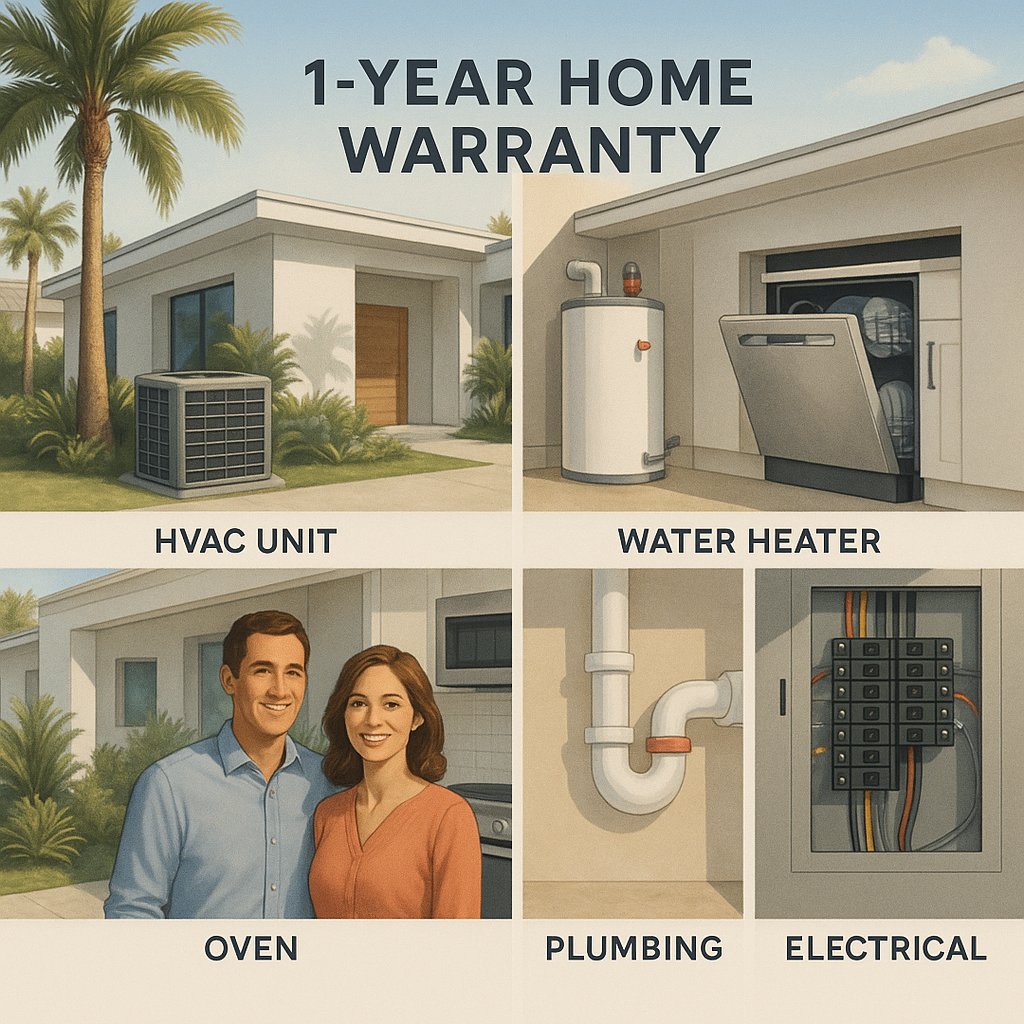
Commonly covered items may include:
– HVAC systems
– Electrical systems
– Plumbing systems
– Water heaters
– Dishwashers
– Ovens and ranges
– Refrigerators
– Washers and dryers
– Garage door openers
The exact coverage depends on the company and the plan. Some plans cover systems only, some cover appliances only, and some bundle the whole kitchen sink—well, almost.
Pro tip: If the contract sounds vague, treat it like a lease addendum and read it twice. The devil is always hiding in the fine print with a stapler.
Why Buyers Consider a Home Warranty
Buying a home is exciting, but the first year can feel like your budget is being lightly mugged by reality. Between mortgage payments, furniture, repairs, and moving costs, one broken appliance can feel like a personal attack.
A 1-year home warranty when buying a house may appeal to buyers who want a little breathing room during that first year.
It can be especially useful if:
– The home is older
– Major systems are nearing the end of their useful life
– You want time to build an emergency repair fund
– The seller offers to include one in the deal
ConsumerAffairs reported that U.S. households spent an average of $4,000 on maintenance and emergency repairs in 2023, which is enough to make anyone stare into the middle distance and whisper, “Why is adulthood like this?”
Takeaway: A warranty may help with short-term budget shock, but it should never replace a real repair fund. Even the best warranty is not your home’s fairy godmother.

What a Home Warranty Usually Covers
Most home warranty plans cover failures caused by normal wear and tear. That means a system or appliance gave up the ghost because it was used, not because it was abused.
Commonly covered systems
– Air conditioning
– Heating
– Electrical wiring
– Interior plumbing
– Water heater
– Ductwork
Commonly covered appliances
– Dishwasher
– Microwave
– Oven/range/cooktop
– Refrigerator
– Washer and dryer
– Garbage disposal
Some plans also offer add-ons for extras like:
– Pool and spa equipment
– Septic systems
– Well pumps
– Additional refrigerators
Those add-ons can bump up the price, but if your property has a pool or a well, skipping coverage could be like buying an umbrella with holes in it.
Pro tip: Match the warranty to the home, not the brochure. A fancy plan is useless if it doesn’t cover the stuff most likely to break in your house.
What a Home Warranty Does Not Cover
This is where buyers often get hit with the old “but the ad said…” routine.
A home warranty is not homeowners insurance, and it is definitely not a blank check for every squeaky, leaky, or dramatic object in the house.
Typical exclusions include:
– Pre-existing conditions
– Improper installation
– Lack of maintenance
– Code violations
– Cosmetic damage
– Structural issues
– Natural disasters
– Flood or earthquake damage
– Secondary damage, like water damage caused by a broken appliance
According to the California Department of Insurance, reading the exclusions and dollar limits is essential before buying. Translation: don’t fall for the shiny front page and ignore the contract pages that look like they were written by a lawyer having a very bad day.
Takeaway: If it broke before you bought it, or if it broke because nobody maintained it, the warranty may not save you. Read the exclusions like your wallet depends on it—because it does.

How Much Does a 1-Year Home Warranty Cost?
The price depends on the provider, the size of the home, the plan level, and any add-ons. But in today’s market, a typical home warranty often runs about:
– $40 to $70 per month, or
– $450 to $600 per year if paid annually
Then there’s the part people forget until the technician shows up: the service fee. That’s the amount you pay each time you file a claim and a contractor is sent out. It often ranges from $75 to $150 per visit.
So when you’re comparing plans, don’t just look at the annual premium. Also check:
– Service call fees
– Add-on charges
– Coverage limits
– Age-related exclusions
– Replacement caps
Let’s be honest: a warranty that costs $500 a year and charges $100 per visit can start feeling less like a safety net and more like a subscription to mildly expensive disappointment.
Pro tip: Compare total out-of-pocket cost, not just the sticker price. A cheap plan with brutal service fees is basically a coupon for frustration.
When a 1-Year Home Warranty Can Be Worth It
Hot take incoming: a home warranty can be helpful, but only in the right situation.
A 1-year home warranty when buying a house may be worth considering if the property has older systems or if you want a little protection while adjusting to homeownership.
It may make sense if:
1. The HVAC system is old
Replacing heating and cooling equipment can cost a small fortune, which is why HVAC coverage is often the big-ticket item buyers care about.
2. The seller pays for it
If the seller includes the warranty as part of the deal, that’s a cleaner win. Free-ish protection is usually better than no protection.
3. You’re a first-time buyer
A warranty can help soften the learning curve while you figure out what’s normal and what’s an emergency worthy of panic-Google behavior.
4. You want budget predictability
Some buyers prefer knowing there’s a fixed annual cost instead of gambling on a surprise repair bill.
Takeaway: A warranty can be useful as a bridge, especially in year one when everything feels expensive. Think of it as a temporary helmet, not a permanent shield.
When It May Not Be Worth It
Not every buyer needs a home warranty. Sometimes the smarter move is to keep the cash and self-insure with a solid emergency fund.
You may want to skip the warranty if:
– The home is newer and still under manufacturer or builder coverage
– You already have a healthy repair fund
– The appliances and systems are new or recently replaced
– The policy is loaded with exclusions
– The service fees are high enough to make claims feel pointless
For example, if you pay $550 for the year and $100 every time a technician comes out, you may need multiple covered repairs before the math starts looking friendly.
Pro tip: If you’d rather just save the premium in a repair fund, that’s not being cheap—it’s being strategic. Your future self will thank you with fewer dramatic sighs.
What to Look for in the Contract
Before you buy any 1-year home warranty when buying a house, read the contract carefully. Not skim. Not “I’ll look at it later.” Actually read it. The fine print is where optimism goes to get humbled.
Key things to check:
– Exact list of covered items
– What is excluded
– Dollar caps on payouts
– Service fees
– Whether repairs or replacements are the company’s choice
– Maintenance record requirements
– Time limits for filing claims
– Whether you must use approved contractors
Some contracts only cover specific parts inside a system, not the full unit. So a plan might cover the motor in a dishwasher but not the rack, door, or other bits that seem determined to ruin your day.
Takeaway: The contract is the product. The brochure is just the flirty dating profile.

Home Warranties vs. Homeowners Insurance
These two get confused all the time, which is understandable because both involve money and disappointment.
Homeowners insurance typically covers:
– Fire
– Theft
– Vandalism
– Storm damage
– Liability claims
Home warranty typically covers:
– Mechanical breakdowns from wear and tear
– Some appliance and system repairs
In simple terms: insurance is for sudden damage and disasters, while a warranty is for covered breakdowns of appliances and systems.
So if a tree falls through your roof, that’s insurance territory. If your dishwasher gives up because it’s old and tired of this nonsense, that’s more warranty territory.
Pro tip: Don’t confuse the two. They’re teammates, not twins.
Final Thoughts on a 1-Year Home Warranty When Buying a House
A 1-year home warranty when buying a house can absolutely be helpful—but only if you understand the limits. It’s best viewed as a short-term protection tool for major systems and appliances, not a “fix anything in the house” pass.
For most buyers, the real question comes down to this:
– What exactly is covered?
– What are the exclusions and service fees?
– Would I be better off saving that money myself?
If the coverage is solid and the price makes sense, a warranty may offer peace of mind in your first year of ownership. If not, your money might be better spent building a repair reserve, because houses have a talent for breaking at the most inconvenient possible moment.
Bottom line: Buy the warranty if the math works and the coverage is real. Skip it if it’s mostly marketing wrapped in fine print.
If you want to talk through a home purchase, warranty decision, or any other real estate headache, click to schedule a 15-minute call:
Questions? Reach out at [email protected] or reply to this post to subscribe to my monthly commercial real estate newsletter for more insights.